
Wire
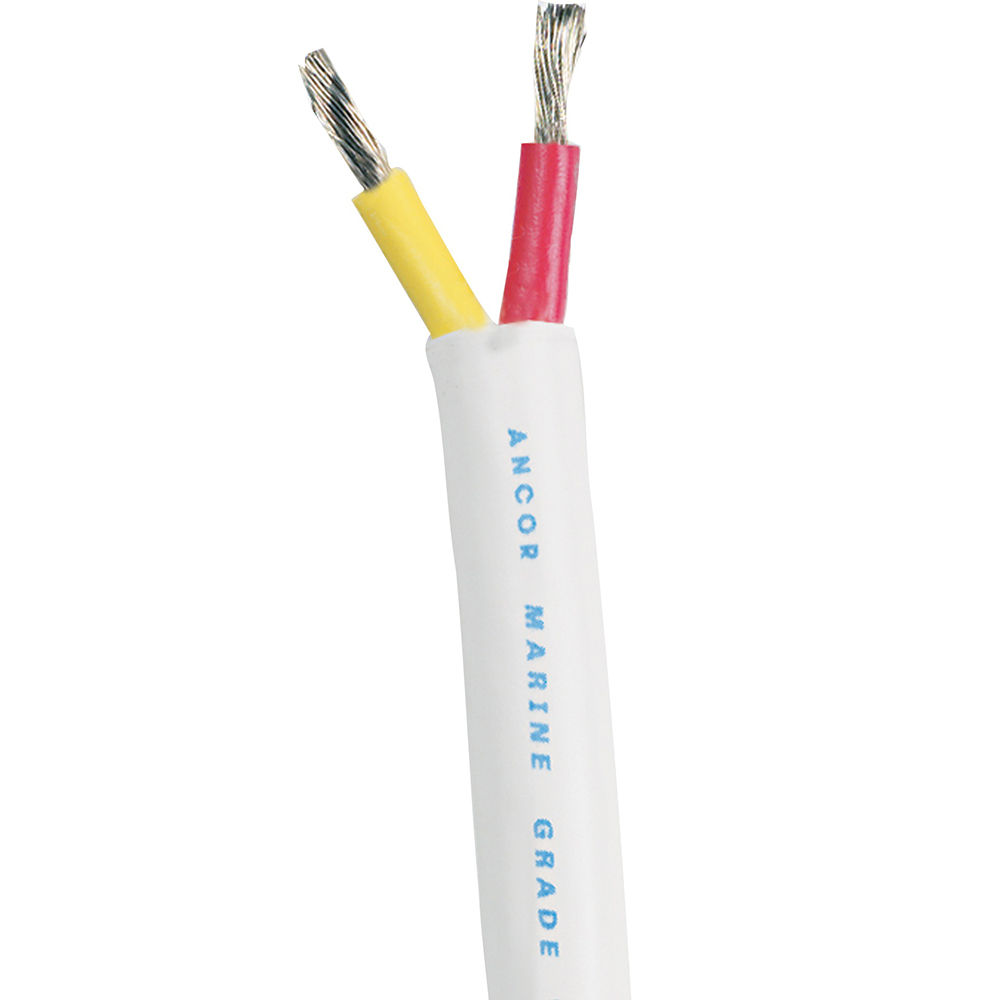
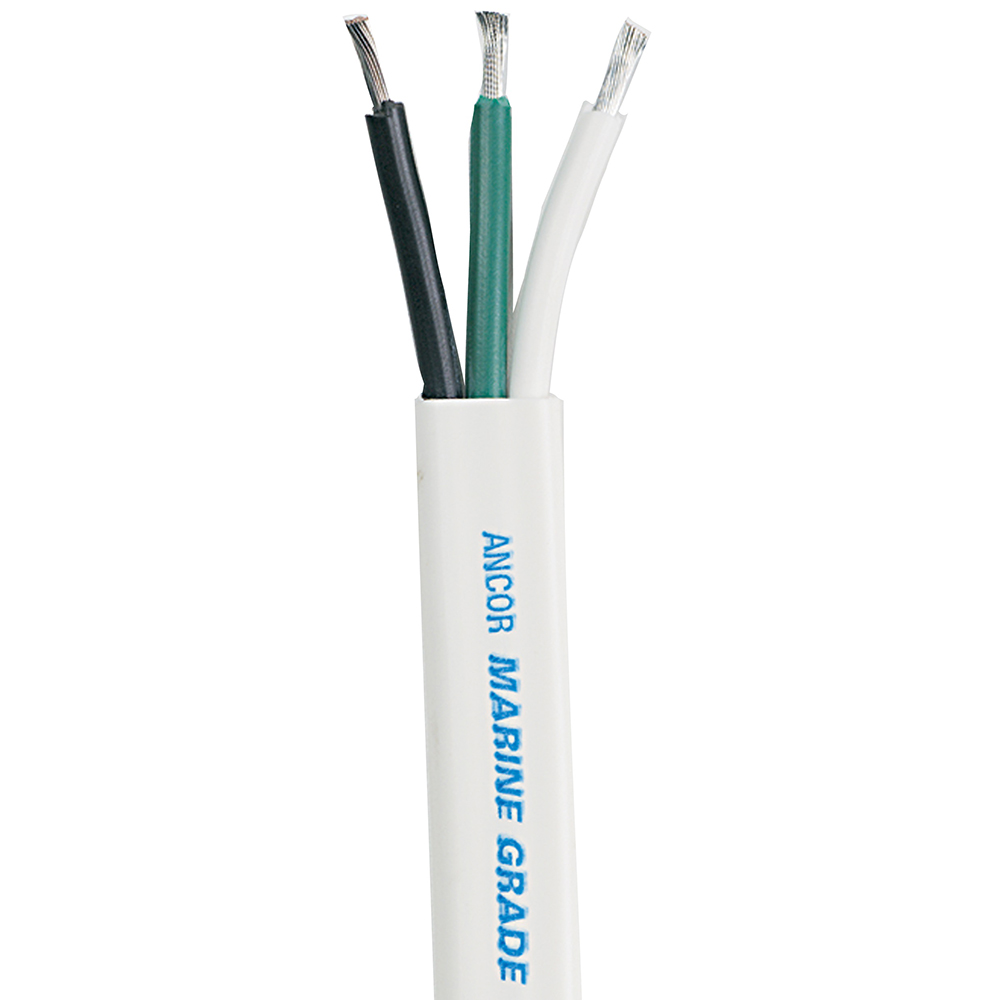
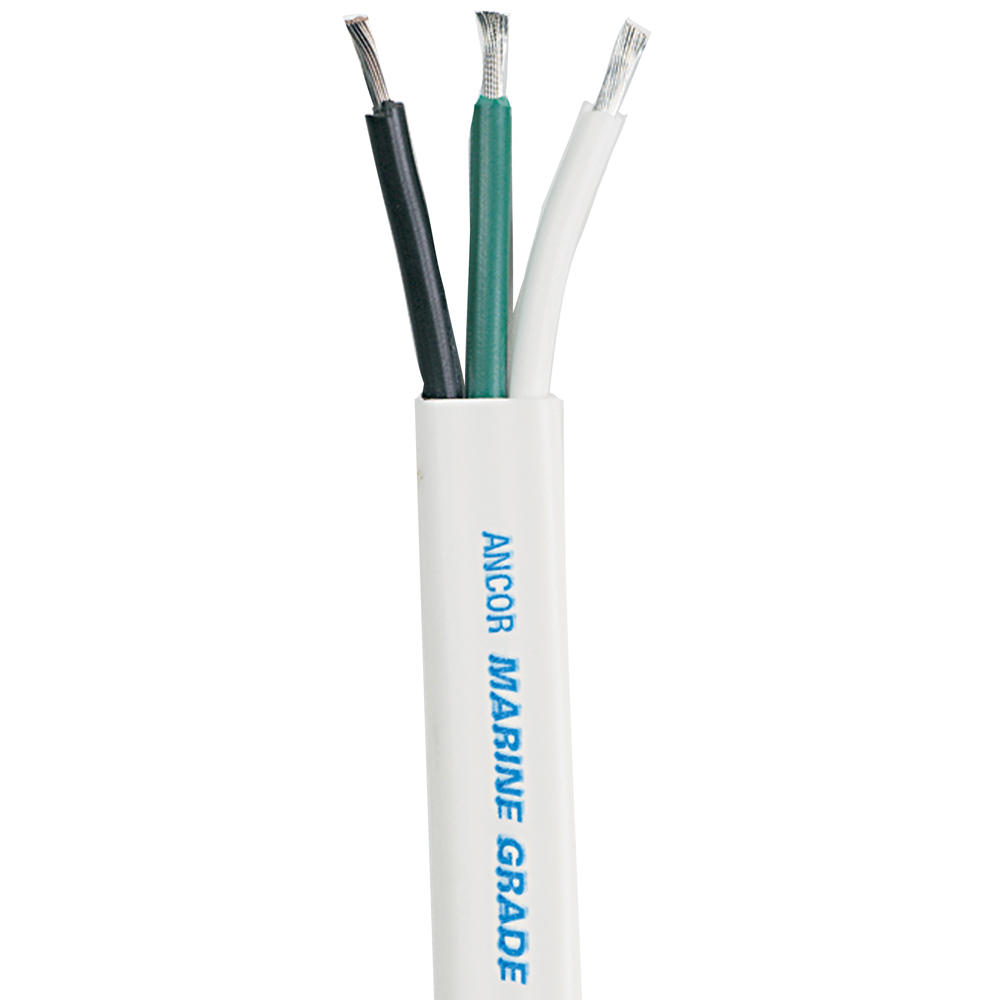
Marine wire is tinned, finely stranded copper with heavier insulation than typical automotive wire. The tin coating slows the corrosion that creeps along bare copper strands in a damp, salty environment, and fine stranding holds up better to the vibration of a boat or vehicle.
Choose a gauge from the circuit's current draw and the round-trip length of the run (out to the load and back), then check it against an allowable voltage drop. Our marine wire gauge guide walks through the process.
Browse 1,479 wire products in Electrical, 645 in stock and ready to ship from NJ and FL. Top brands include Pacer, Sea-Dog, Ancor and Fusion. Prices range from $0.74 to $3,046.88. Filter by brand, price or availability, or search by manufacturer part number or UPC.








Page 1 of 31 Next →
Wire FAQ
What makes marine wire different from automotive wire?
Marine wire uses tinned copper strands, finer stranding and insulation rated for wet, oily environments. Plain copper automotive wire can corrode from the inside when moisture wicks into the strands.
How do I pick a wire gauge?
Start with the current the circuit draws and the total round-trip length of the wire, then use a voltage-drop table to find the gauge that keeps the drop within your target. Critical circuits such as navigation lights and bilge pumps usually call for the stricter target.
Should I use duplex or single-conductor wire?
Duplex (paired positive and negative in one jacket) keeps runs neat and makes polarity obvious. Single-conductor wire is more flexible for custom runs and large battery cables.
Does the wire color matter?
Yes. Following the standard color code (for example red for DC positive and black or yellow for DC negative) makes troubleshooting much easier for you and anyone who works on the boat later.