
Electrical Inverters
An inverter turns battery DC power into AC so you can run household appliances and tools on a boat, van or skoolie. Pure sine wave inverters produce clean power suitable for sensitive electronics; modified sine units cost less but some devices won't run properly on them.
Size an inverter for the total load you'll run at once, plus the startup surge of motors and compressors, and make sure the battery bank and cabling can supply the DC current it draws. Our skoolie electrical basics guide covers sizing.
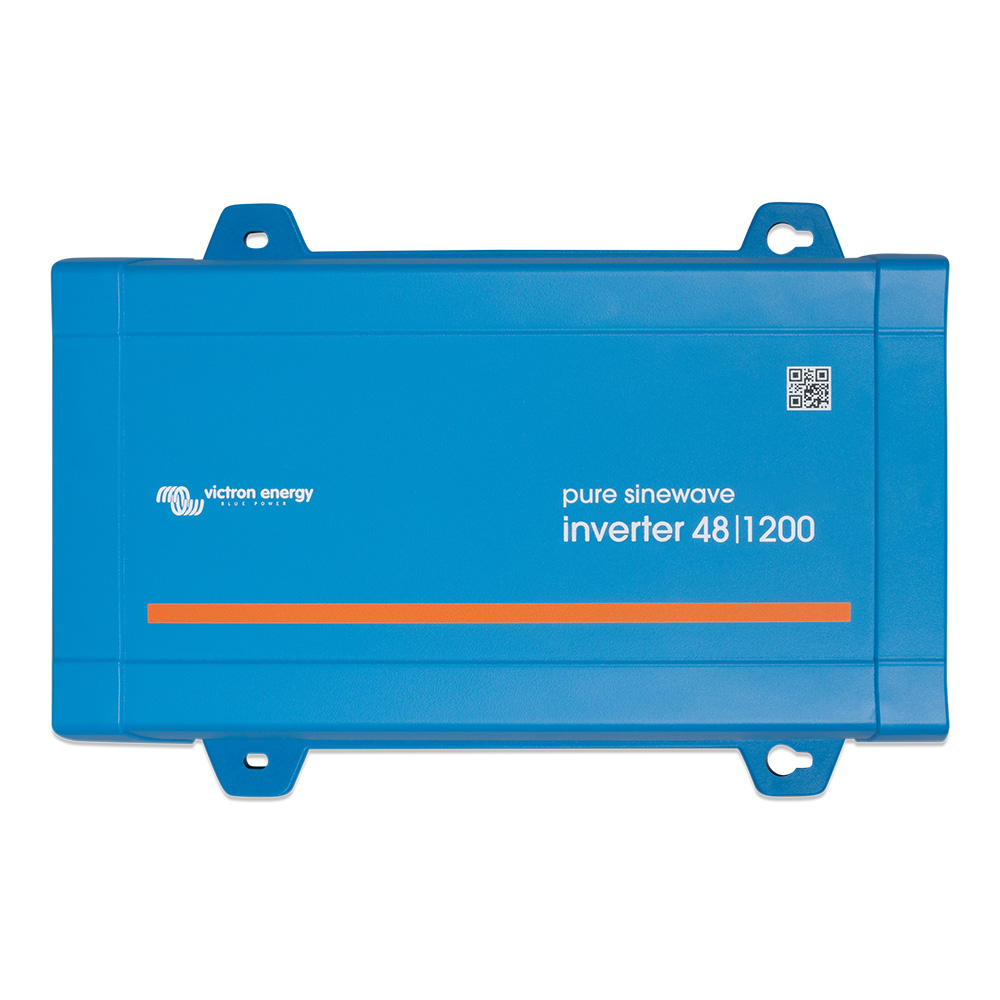
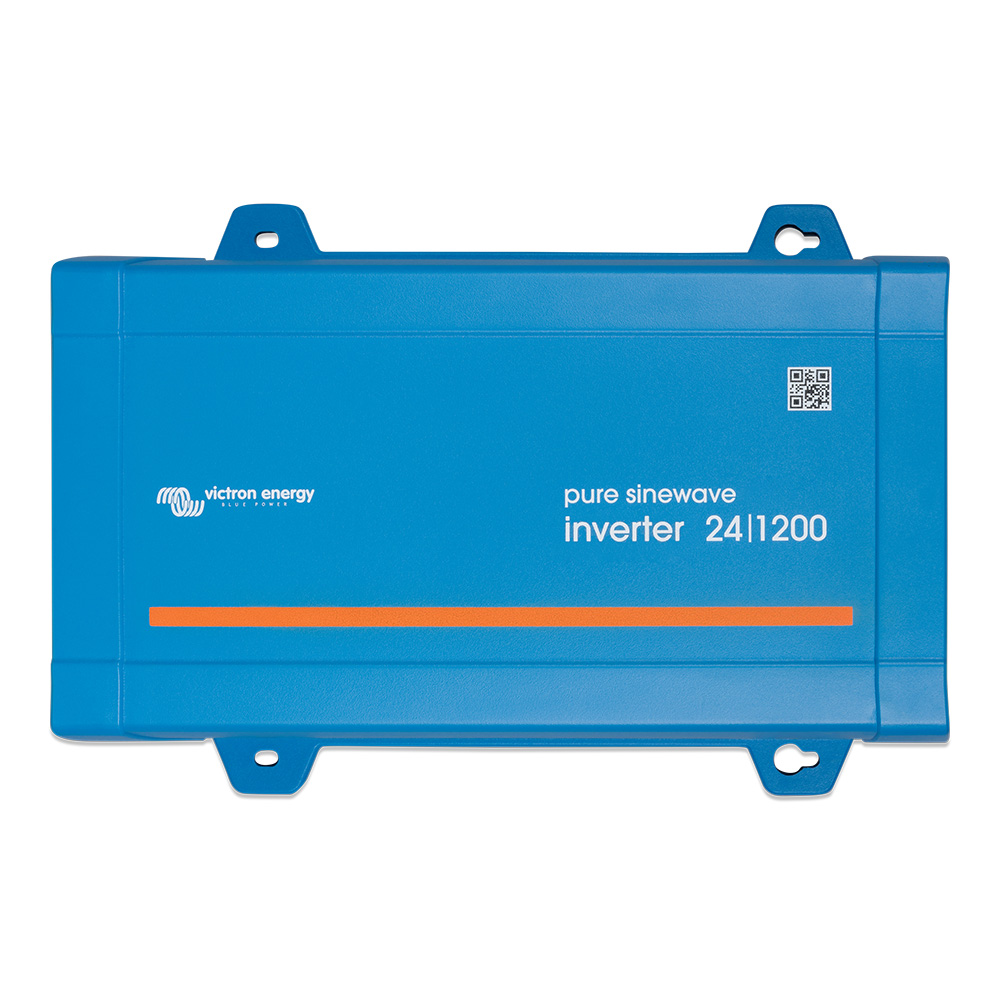
Browse 130 inverters products in Electrical, 89 in stock and ready to ship from NJ and FL. Top brands include Xantrex, Victron Energy, Samlex America and Mastervolt. Prices range from $30.37 to $5,663.86. Filter by brand, price or availability, or search by manufacturer part number or UPC.


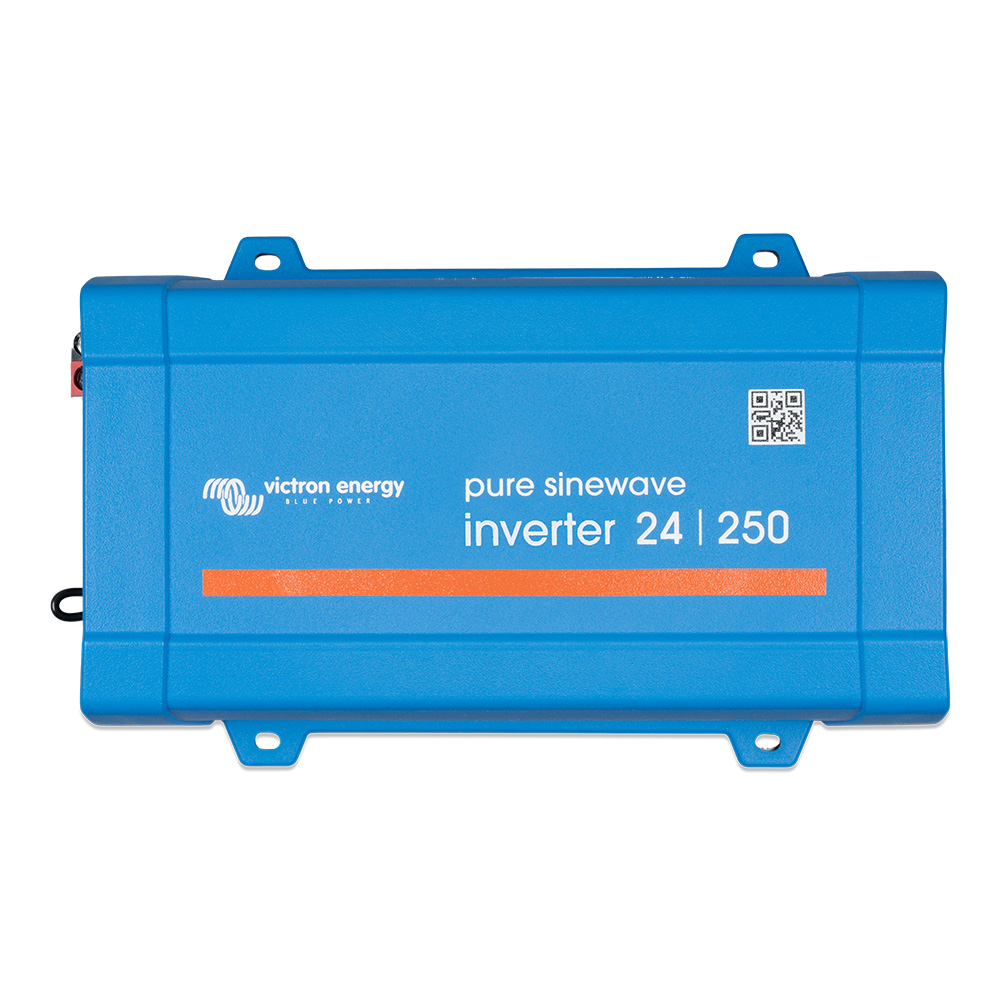

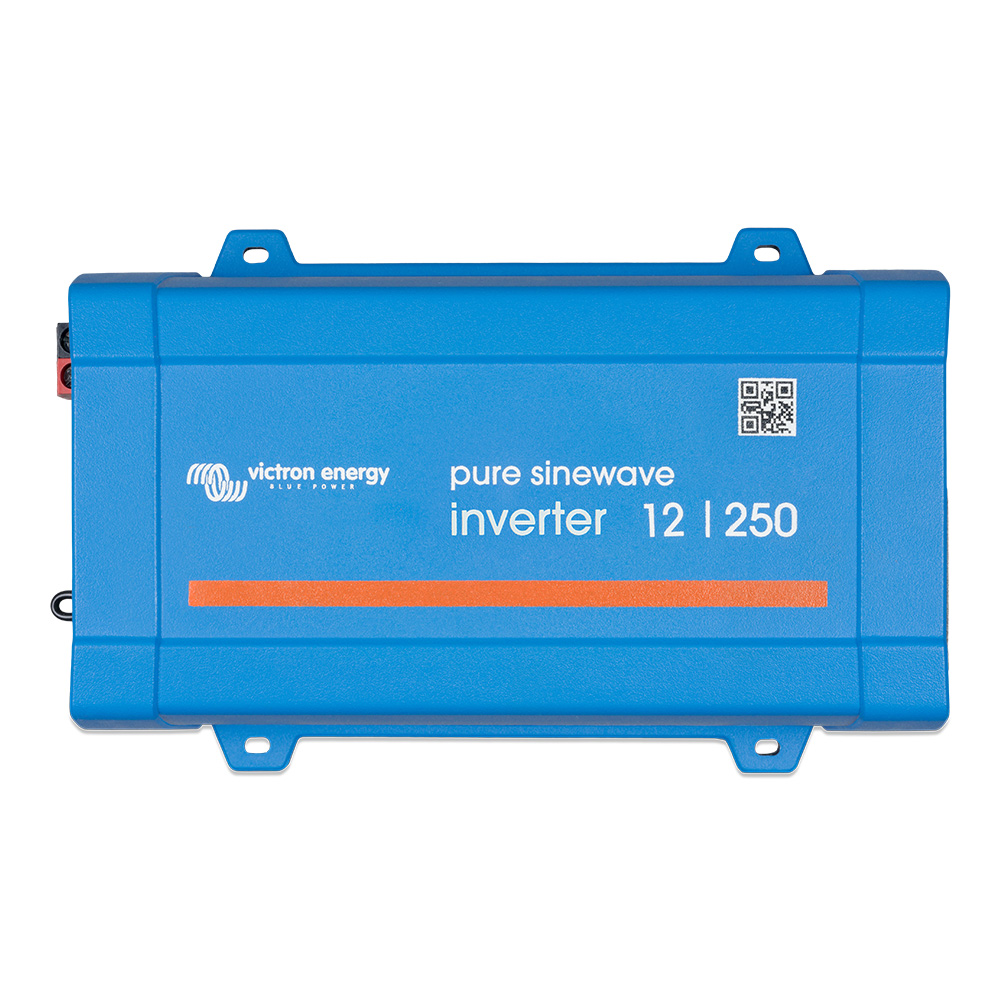
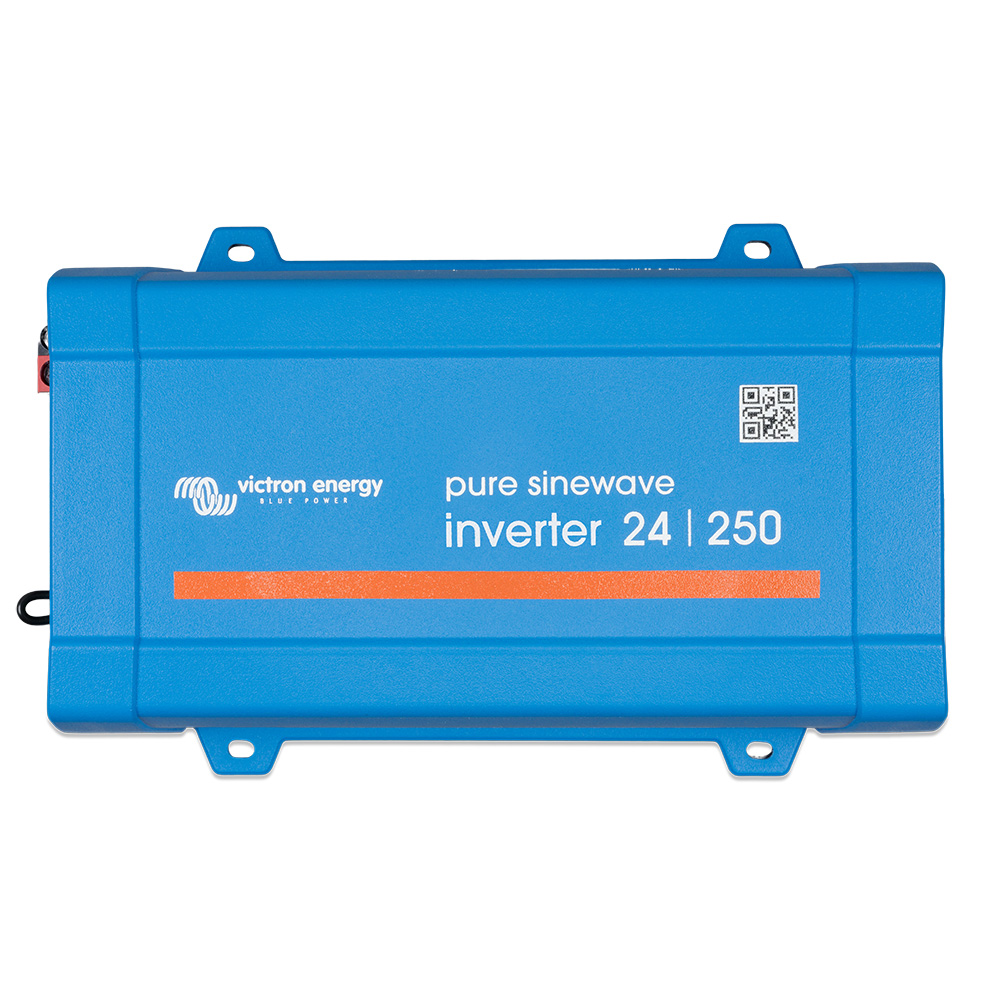


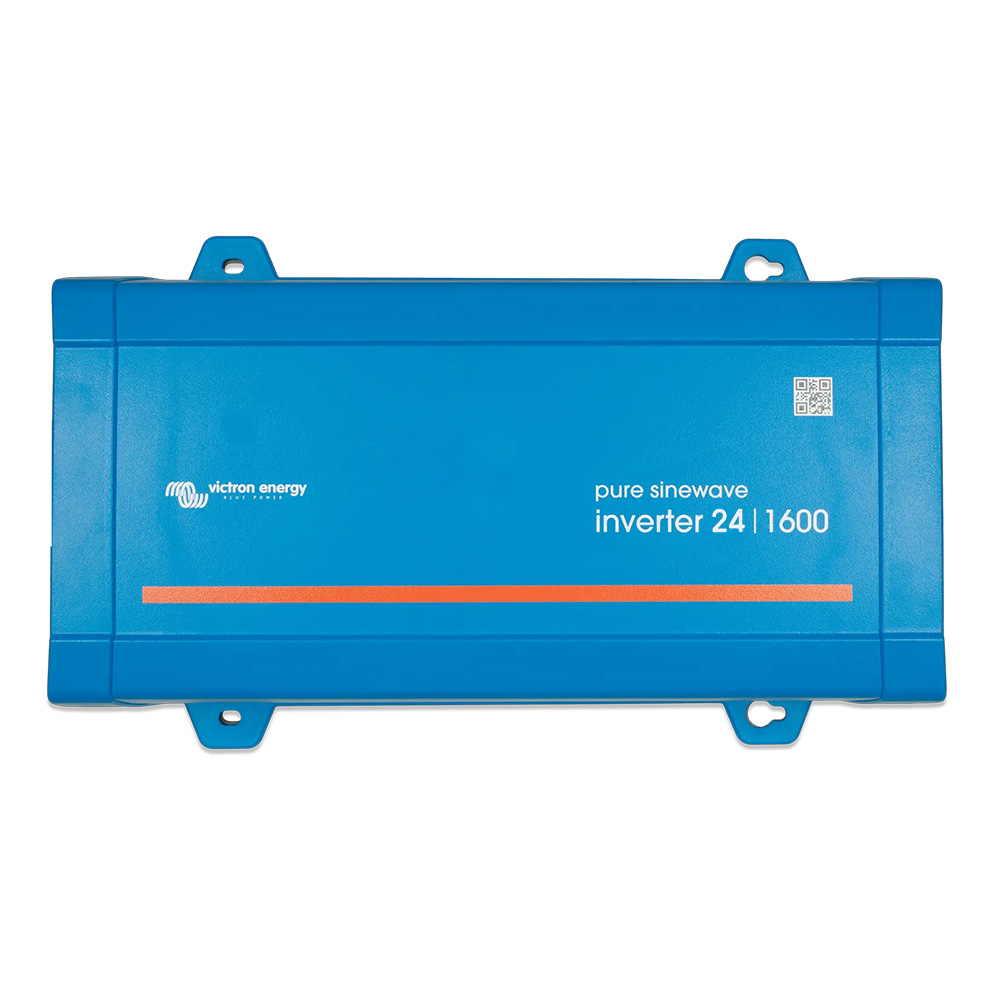






Page 1 of 3 Next →
Electrical Inverters FAQ
Pure sine or modified sine?
Pure sine wave is the safer choice for electronics, chargers, motors and anything with a sensitive power supply. Modified sine can work for simple resistive loads.
How big an inverter do I need?
Add up the watts of everything you expect to run at the same time, then allow headroom for startup surges from motors and compressors. Check the manufacturer's continuous and surge ratings.
What size cables and fuse does an inverter need?
Follow the inverter manufacturer's installation manual. Inverters draw high DC current, so short, heavy cables and a correctly rated fuse near the battery are essential.
What about shore power?
If you also want to charge batteries from shore or a generator, consider an inverter/charger combo, which combines both functions with automatic transfer.